The Significance of Regular Inspections for Property Management
Explore why regular inspections are crucial for property management in San Diego, covering costs, legal responsibilities, and effective management strategies.


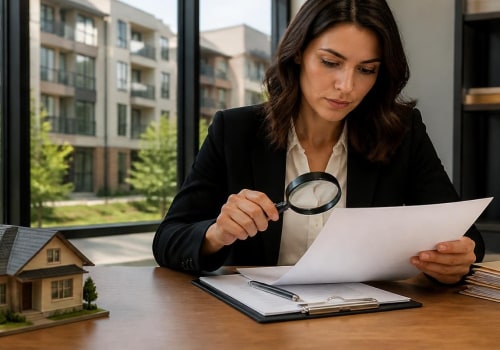
In the realm of property management, the Importance of regular inspectionsImportance of regular inspections cannot be overstated. Regular inspections are a critical component of maintaining the integrity and value of residential properties. For landlords and property managers in San Diego, understanding this aspect is essential for ensuring not only the safety of their tenants but also the longevity of their investments. The San Diego Property Management Guide serves as a comprehensive resource for navigating the complexities of property management, offering insights into best practices that include routine inspections. Conducting regular inspections allows property managers to identify potential issues before they escalate into costly repairs.
It fosters a proactive approach to maintenance, which can significantly enhance tenant satisfaction and retention. Furthermore, inspections can help ensure compliance with local regulations and standards, adding another layer of security for both property owners and tenants alike. By prioritizing these essential assessments, property managers can create a safer, more efficient living environment that benefits everyone involved. This article will delve deeper into the significance of regular inspections, exploring their multifaceted role in effective property management and why they should be an integral part of every maintenance strategy. Regular inspections play a crucial role in property management, serving as a proactive approach to maintaining the integrity and value of properties. As part of the San Diego Property Management Guide, this article delves into the significance of these inspections, which not only help uphold property standards but also enhance tenant satisfaction.
By understanding the various types of inspections—such as move-in, periodic, and move-out—and their associated frequencies, property managers can better navigate their responsibilities while ensuring compliance with legal requirements. Move-in inspections are essential for documenting the condition of a property before a new tenant takes occupancy. This thorough examination typically occurs just before the tenant moves in and includes checking for any existing damage, functionality of appliances, and overall cleanliness. Periodic inspections are conducted at regular intervals—often quarterly or biannually—to monitor the property's condition over time. Finally, move-out inspections take place when a tenant vacates the property to assess any damages beyond normal wear and tear, ensuring that security deposits can be fairly addressed. The frequency of these inspections can vary based on several factors including property type, tenant behavior, and local regulations.
However, consistently scheduled inspections can help identify potential issues early on. For instance, minor plumbing leaks detected during an inspection can be addressed before they escalate into costly repairs. Although there is an upfront cost associated with conducting these inspections—such as hiring professionals or dedicating time to perform them—property managers often find that they save money in the long run by preventing larger issues that could lead to more significant repair costs. Moreover, landlords have legal responsibilities regarding property maintenance and inspections. In San Diego, specific regulations mandate that landlords must keep rental properties in habitable condition, which includes adhering to safety codes and performing timely repairs.
Inspections serve as a tool for landlords to fulfill these obligations while providing tenants with a safe living environment. Tenants also have responsibilities in this regard; they are expected to report maintenance issues promptly to facilitate timely resolutions. Common problems identified during inspections can range from minor maintenance issues like worn-out smoke detector batteries to more severe lease violations such as unauthorized alterations to the property. Addressing these issues early through regular inspections not only helps maintain property conditions but also fosters a positive relationship with tenants. When tenants see that their landlord is actively involved in maintaining the property, it can significantly enhance their satisfaction and increase retention rates, ultimately reducing turnover costs associated with finding new tenants. Despite these benefits, some landlords may view regular inspections as unnecessary or intrusive.
They may argue that trust between landlord and tenant should negate the need for frequent checks. However, it is essential to recognize that inspections are not merely about oversight; they are an integral part of property management aimed at protecting both landlord investments and tenant well-being. By effectively communicating the rationale behind inspections—such as enhancing safety and maintaining property value—landlords can mitigate concerns tenants may have about privacy or interference. In conclusion, regular inspections are vital for effective property management. They help identify issues before they escalate, ensure compliance with local laws in San Diego, and foster positive relationships with tenants.
The San Diego Property Management Guide serves as an invaluable resource for property managers navigating these practices, underscoring the importance of thorough inspections in maintaining property value and tenant satisfaction.
Legal Responsibilities
In the realm of property management, understanding the legal responsibilities of both landlords and tenants is paramount. Landlords are required to maintain their properties in a condition that is safe and habitable, which includes adhering to local building codes, health regulations, and safety standards. This obligation often necessitates conducting regular inspections to identify and rectify any potential issues before they escalate into more significant problems. Tenants, on the other hand, also have certain legal obligations regarding property maintenance. They are expected to keep the property in good condition and report any damages or necessary repairs to the landlord promptly.This collaboration between landlords and tenants is crucial for ensuring that the property remains well-maintained and compliant with legal standards. The San Diego Property Management Guide serves as an invaluable resource for property managers and landlords in San Diego, detailing these obligations and providing insights into best practices for routine maintenance. By understanding their respective responsibilities, both parties can work together more effectively to maintain a safe and pleasant living environment. Failure to meet these legal obligations can lead to serious consequences, including potential lawsuits, fines, or even eviction proceedings. Therefore, both landlords and tenants should be well-informed about their rights and responsibilities in order to foster a successful rental relationship. serves as an invaluable resource for property managers and landlords in San Diego, detailing these obligations and providing insights into best practices for routine maintenance. By understanding their respective responsibilities, both parties can work together more effectively to maintain a safe and pleasant living environment. Failure to meet these legal obligations can lead to serious consequences, including potential lawsuits, fines, or even eviction proceedings. Therefore, both landlords and tenants should be well-informed about their rights and responsibilities in order to foster a successful rental relationship.
Benefits of Regular Inspections
Regular inspections are a critical component of effective property management, offering numerous advantages for both landlords and tenants. By incorporating routine inspections into property maintenance practices, landlords can proactively address issues before they escalate, ensuring that properties remain in optimal condition.This practice is not only beneficial for the physical upkeep of the property but also plays a vital role in enhancing tenant satisfaction. One of the primary benefits of conducting regular inspections is the ability to maintain property value. Well-maintained properties are more appealing to potential tenants, which can lead to higher occupancy rates and increased rental income. Furthermore, routine inspections help identify and rectify minor repairs early on, preventing them from developing into costly problems that could diminish the property's overall value. For tenants, regular inspections foster a sense of security and trust in their living environment. Knowing that their landlord is actively engaged in maintaining the property creates a positive relationship between tenants and property managers.
This proactive approach to property management can lead to higher tenant retention rates, as satisfied tenants are more likely to renew their leases. Additionally, regular inspections ensure compliance with legal requirements pertaining to property safety and habitability standards. Landlords must adhere to local regulations, which often mandate routine checks for safety hazards such as smoke detectors, carbon monoxide detectors, and structural integrity. By conducting thorough inspections, landlords not only protect their investment but also create a safe living environment for tenants. In conclusion, the San Diego Property Management Guide emphasizes the importance of regular inspections as a best practice in property management. By recognizing the benefits for both landlords and tenants, property managers can create a sustainable and harmonious rental experience that upholds the value of the property while prioritizing tenant satisfaction.
Cost Considerations
When it comes to property management, one of the most significant aspects to consider is the financial impact of conducting regular inspections.Many property managers and landlords may initially view these inspections as an added expense, but in reality, they can lead to substantial cost savings over time. The San Diego Property Management Guide emphasizes that investing in regular inspections can help identify potential issues before they escalate into costly repairs. For instance, minor maintenance problems, such as a leaky roof or plumbing issue, can be detected early through routine inspections. Addressing these problems promptly not only ensures the comfort and safety of tenants but also prevents larger, more expensive repairs down the line. By integrating regular inspections into your property management strategy, you are taking proactive measures that ultimately protect your investment. Furthermore, regular inspections can assist property managers in maintaining compliance with local laws and regulations.
In San Diego, failing to uphold safety standards can result in fines or legal issues, which could far exceed the costs associated with conducting regular inspections. Hence, the financial implications of neglecting this crucial aspect of property management can be significant. Moreover, maintaining a well-inspected property enhances tenant satisfaction. Happy tenants are more likely to renew their leases and recommend the property to others. This increases occupancy rates and reduces turnover costs, which can greatly affect a property's profitability.
As highlighted in the San Diego Property Management Guide, keeping tenants satisfied is an essential part of maximizing rental income. In conclusion, while there are upfront costs associated with regular inspections, the long-term financial benefits—ranging from early problem detection to enhanced tenant satisfaction—make them a wise investment for any property manager or landlord. By prioritizing regular inspections, you not only safeguard your property’s value but also ensure a safe and pleasant living environment for your tenants.
Types of Inspections
Regular inspections are a crucial aspect of property management that help ensure the safety, compliance, and maintenance of rental properties. Within the framework of the San Diego Property Management Guide, understanding the various types of inspections is essential for property managers and landlords aiming to uphold property value and tenant satisfaction. Here, we will explore the different types of property inspections and their specific purposes.1.Move-In Inspections:
These inspections occur before a new tenant moves into a property.The primary objective is to document the condition of the unit, noting any existing damages or maintenance issues. This thorough documentation protects both the landlord and tenant by providing a clear baseline for the property's condition.
2.Move-Out Inspections:
Conducted at the end of a tenant's lease, move-out inspections help determine if any damages beyond normal wear and tear have occurred. This type of inspection is essential for deciding on the return of the security deposit, ensuring that tenants are held accountable for any damage they may have caused during their tenancy.3.Routine Inspections:
These inspections are performed periodically throughout a tenant’s lease term, often on a quarterly or bi-annual basis. Routine inspections allow property managers to identify maintenance issues early, ensuring they are addressed promptly to prevent more significant problems down the line.They also reinforce good communication with tenants about property upkeep.
4.Emergency Inspections:
Sometimes, unexpected issues may arise that necessitate immediate attention, such as plumbing leaks or electrical failures. Emergency inspections prioritize tenant safety and comfort by enabling rapid response to urgent maintenance needs, thus maintaining a safe living environment.5.Compliance Inspections:
Property managers must adhere to local laws and regulations governing rental properties. Compliance inspections ensure that properties meet safety codes, zoning laws, and health regulations. These inspections are not only vital for legal compliance but also play a significant role in tenant safety and satisfaction. By understanding these different types of inspections, property managers can effectively maintain their properties and enhance tenant relationships.Remember, utilizing resources such as the San Diego Property Management Guide can provide further insights into best practices for conducting these inspections efficiently. In conclusion, the importance of regular inspections in property management cannot be overstated. As discussed, these inspections play a crucial role in maintaining the overall condition of properties, ensuring compliance with legal standards, and enhancing tenant satisfaction. By adhering to the guidelines outlined in the San Diego Property Management Guide, property managers can implement effective inspection schedules that not only protect their investments but also foster positive relationships with tenants. Regular inspections help identify potential issues before they escalate, ultimately saving time and costs associated with emergency repairs. Furthermore, they ensure that properties meet safety regulations, creating a secure living environment for residents.
We encourage all property managers and landlords to prioritize thorough and consistent inspections as part of their routine maintenance tasks. By doing so, you will enhance property value, comply with legal responsibilities, and promote tenant happiness.
More Posts
- Tenant Screening Process
- Steps in Tenant Screening
- Conducting background checks
Understanding Background Checks in Property Management

- Rental Fees and Costs
- Legal Considerations for Fees
- Avoiding illegal fees
Understanding and Avoiding Illegal Rental Fees in San Diego

- Local Rental Laws and Regulations
- Understanding Local Laws and Regulations
- Zoning regulations and rental properties
Understanding Zoning Regulations for Rental Properties in San Diego

- Leasing Guidelines
- Types of Lease Agreements
- Commercial lease agreements explained