Essential Seasonal Maintenance Checklist for Rental Properties
Explore the essential seasonal maintenance checklist tailored for property management in San Diego, covering costs, legal responsibilities, and effective management tips.

As a property owner in San Diego, ensuring your rental property remains in top condition is paramount to attracting and retaining quality tenants. That’s why the San Diego Property Management GuideSan Diego Property Management Guide emphasizes the importance of a comprehensive seasonal maintenance checklist. This essential tool not only helps you keep track of necessary upkeep tasks but also ensures that your property is prepared for the changing seasons, ultimately protecting your investment and enhancing tenant satisfaction. In this article, we will delve into the critical elements of a seasonal maintenance checklist tailored specifically for rental properties. Whether you are a seasoned landlord or new to property management, understanding these routine maintenance tasks can save you time, money, and headaches down the line.
From HVAC inspections to landscaping care, each season brings its own unique challenges that require careful attention. By following our guide, you can effectively manage your property’s needs while providing a safe and comfortable living environment for your tenants. Join us as we explore the essential components of this checklist and how they contribute to successful property management in San Diego. In the realm of rental property management, having a well-structured seasonal maintenance checklist is crucial for ensuring the longevity of your investments and the satisfaction of your tenants. This is especially pertinent in San Diego, where the unique climate and rental market present both challenges and opportunities. The San Diego Property Management Guide serves as an invaluable resource for landlords and property managers, providing insights into best practices for maintaining properties effectively throughout the seasons. Spring marks a time of renewal and is an ideal season for conducting various maintenance tasks.
One essential task is HVAC servicing, which includes changing filters and checking for any potential issues to ensure optimal performance as temperatures rise. Additionally, roof inspections are vital during this season, as winter storms may have caused damage that needs addressing before the rainy season begins again. Landscaping should also be prioritized, with tasks like weeding, mulching, and planting flowers to enhance curb appeal. Pest control is another crucial area; spring can usher in a variety of insects that may invade properties if not managed correctly.
These seasonal tasks are necessary to uphold property value and create a welcoming environment for tenants. As summer approaches, the focus shifts to ensuring that cooling systems are functioning efficiently. This includes more in-depth HVAC checks and potentially replacing older units to avoid breakdowns during peak heat. Summer is also a prime time for exterior painting and sealing to protect against sun damage, which can degrade surfaces over time. Routine plumbing checks are recommended to prevent leaks and water damage; this proactive approach can save landlords from costly repairs down the line.
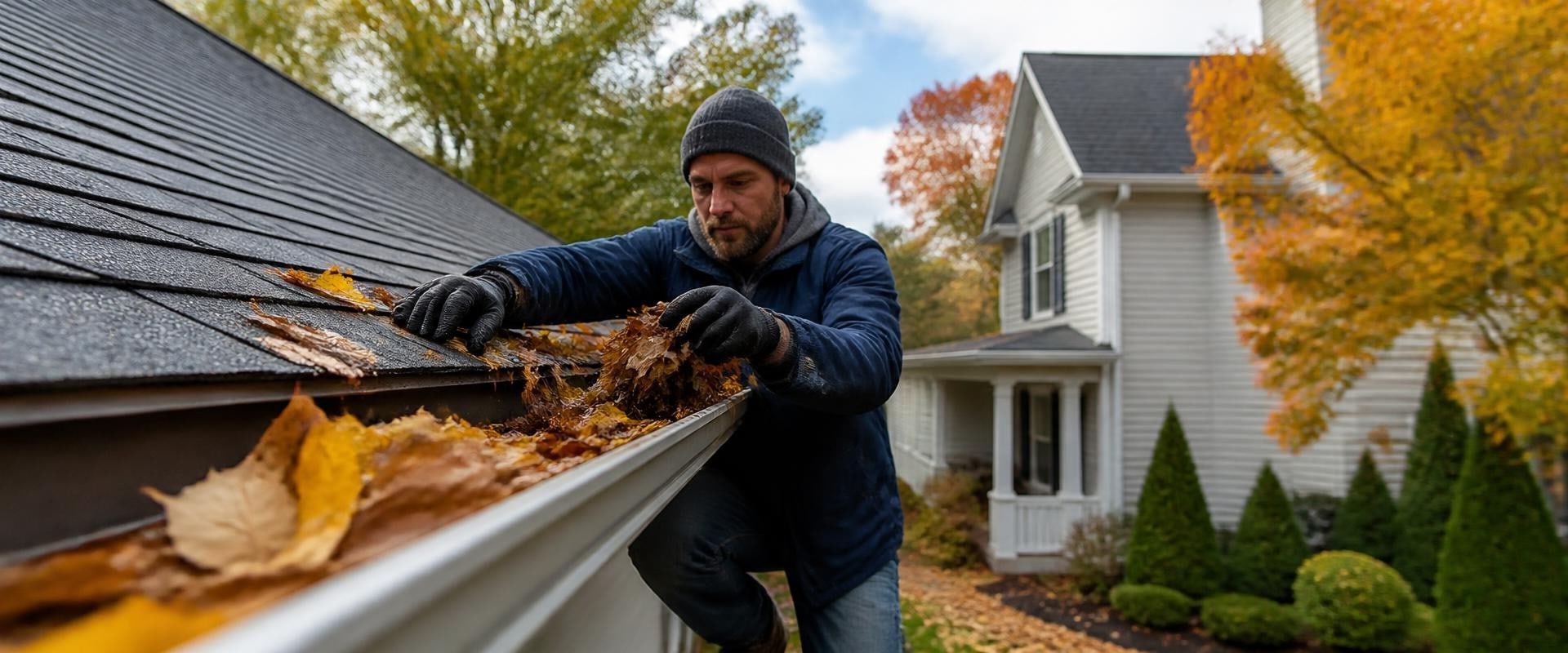
The associated costs for these summer maintenance tasks can vary but budgeting for around $200-$500 for HVAC service and painting can provide a good guideline. With the arrival of fall, it’s time to prepare properties for the cooler months ahead. This season calls for comprehensive gutter cleaning to prevent clogs that could lead to water damage. It's also essential to check heating systems, ensuring that furnaces and heaters are operational before winter sets in. Fall is the perfect time for landscaping cleanup, including trimming trees and bushes that may pose a risk during storms.
Additionally, landlords should consider scheduling pest control services to manage rodents looking for warmth as temperatures drop. Each of these tasks plays a significant role in maintaining property value and tenant satisfaction. Finally, winter brings its own set of responsibilities. Insulating pipes is critical in preventing freezing during cold snaps, which can lead to burst pipes and extensive damage. Roof inspections should be revisited to ensure no leaks will occur with winter rains.
Furthermore, checking smoke detectors and carbon monoxide alarms is not just a best practice but a legal requirement in California, emphasizing landlords' responsibilities regarding tenant safety. The costs associated with winter maintenance tasks typically range from $100-$300 depending on the extent of services needed. In California, landlords have legal obligations regarding property maintenance that include keeping premises habitable and addressing repairs promptly. Failing to adhere to these regulations can result in significant legal repercussions, including lawsuits or fines. Moreover, tenants can play an active role in property upkeep by reporting issues promptly and participating in simple maintenance tasks such as yard work or keeping their living spaces clean. For those considering how best to handle these seasonal maintenance tasks, choosing a reliable property manager can alleviate many burdens.
A good property manager understands local laws and has established relationships with contractors who can perform necessary work at reasonable rates. Alternatively, landlords who prefer a hands-on approach should utilize resources like the San Diego Property Management Guide to equip themselves with knowledge about typical costs and common pitfalls when managing their properties directly. In summary, maintaining a seasonal maintenance checklist tailored to the unique demands of San Diego's climate is essential for preserving property value and ensuring tenant satisfaction. By systematically addressing these seasonal tasks, landlords can foster a well-maintained living environment that meets both legal standards and tenant expectations.
Fall Preparation Steps
As the summer heat begins to wane and the cooler months approach, it’s essential for property managers and landlords to prepare their rental properties for fall. This season marks a critical time for seasonal maintenance, particularly in a climate like San Diego’s, where the weather can be unpredictable.The San Diego Property Management Guide highlights key tasks that should be completed to ensure that properties remain safe and comfortable for tenants during the changing seasons. One of the most important tasks is gutter cleaning. As leaves begin to fall, clogged gutters can lead to water damage and mold growth. It's crucial to remove debris from gutters and downspouts to ensure proper drainage. This simple maintenance step can prevent costly repairs down the line and help maintain the property’s value. Another vital preparation step is to prepare the heating systems.
In San Diego, while winters are mild, it’s still important to ensure that heating units are functioning correctly. Property managers should schedule inspections for furnaces and other heating systems to ensure they are clean and operating efficiently. Replacing filters and checking for any needed repairs can help avoid unexpected breakdowns when temperatures drop. By completing these fall preparation tasks, landlords can enhance tenant satisfaction, reduce repair costs, and maintain the overall quality of their rental properties. For more detailed insights into property maintenance best practices, refer back to the San Diego Property Management Guide.
Spring Maintenance Tasks
As winter fades and spring blooms in San Diego, it’s essential for landlords and property managers to focus on a seasonal maintenance checklist that addresses the unique needs of their properties.The San Diego Property Management Guide emphasizes the significance of conducting thorough seasonal inspections to ensure that properties remain safe, appealing, and functional for tenants. Spring is an ideal time to carry out several critical maintenance tasks that can enhance property value and tenant satisfaction. One of the primary tasks during spring is HVAC servicing. With warmer temperatures on the horizon, it’s crucial to ensure that heating, ventilation, and air conditioning systems are functioning optimally. This involves scheduling a professional inspection to clean ducts, replace filters, and check for any repairs needed.
Regular HVAC maintenance not only improves energy efficiency but also contributes to a healthier indoor environment for tenants. Additionally, spring is the perfect time to focus on landscaping preparations. After the rainy winter months, properties may require attention to their outdoor spaces. This includes trimming overgrown bushes, fertilizing lawns, and planting seasonal flowers to enhance curb appeal. A well-maintained landscape not only attracts potential renters but also retains current tenants by providing a pleasant living environment. By incorporating these essential spring maintenance tasks into your seasonal maintenance checklist, property managers in San Diego can ensure that their properties are ready for the warmer months ahead.
For more detailed insights and additional tips on maintaining rental properties effectively, refer back to the San Diego Property Management Guide.
Legal Responsibilities of Landlords and Tenants
Understanding the legal obligations regarding maintenance and repairs is crucial for both landlords and tenants in California, especially in a unique rental market like San Diego. The San Diego Property Management Guide emphasizes the importance of these responsibilities to ensure a smooth and compliant rental experience. In California, landlords are required to maintain their rental properties in a habitable condition, which includes making necessary repairs and ensuring that essential services such as heating, plumbing, and electrical systems are functioning properly. According to California Civil Code Section 1941, landlords must ensure that the property is safe and sanitary. This means addressing issues like leaks, mold, pest infestations, and other health hazards promptly.Failure to comply with these obligations can lead to legal disputes and potential liabilities for landlords. On the other hand, tenants also have specific responsibilities regarding maintenance. Tenants are expected to keep the property clean and undamaged, and they must report any maintenance issues to their landlords in a timely manner. When tenants fail to do so, they may be held responsible for further damages that could have been avoided. The San Diego Property Management Guide provides additional insights into these legal responsibilities, helping landlords and tenants navigate their obligations effectively. Understanding these rights and duties can prevent misunderstandings and foster a better landlord-tenant relationship.
Summer Maintenance Considerations
As the summer months roll in, property managers and landlords in San Diego must prioritize seasonal maintenance tasks to ensure their properties remain safe, appealing, and functional.The San Diego Property Management Guide emphasizes the importance of being proactive during this season, particularly due to the unique climate that can impact rental properties. One of the first areas to address is pest control. The warm weather can lead to an uptick in pest activity, including ants, termites, and rodents. It's crucial to schedule regular inspections and treatments to prevent infestations that can cause significant damage and deter potential tenants. Collaborating with a reliable pest control service can help landlords stay ahead of any issues. Another vital aspect of summer maintenance is pool maintenance.
For properties with swimming pools, ensuring the water quality is safe and the pool area is clean is essential. Regularly checking chemical levels, skimming debris, and maintaining pool equipment will not only provide a pleasant experience for tenants but also help in avoiding costly repairs down the line. The San Diego Property Management Guide suggests setting up a consistent maintenance schedule to keep the pool in top shape throughout the summer. In addition to these tasks, landlords should also consider landscaping needs, particularly watering schedules for plants and lawns during hotter weeks. Proper maintenance not only enhances curb appeal but also fosters a welcoming environment for current and prospective tenants.
Choosing a Property Manager
When selecting a property manager, especially in the context of seasonal maintenance, it is essential to prioritize their approach to maintenance management.A good property manager should not only understand the unique challenges posed by San Diego's climate but also be proactive in ensuring that your property remains in optimal condition throughout the year. The San Diego Property Management Guide outlines key factors to consider when evaluating potential property managers, emphasizing their ability to handle seasonal maintenance tasks effectively. Firstly, look for a property manager who has a comprehensive maintenance plan that includes regular inspections and timely responses to repair requests. This proactive approach minimizes issues before they escalate, ultimately preserving the value of your rental property. Additionally, inquire about their experience with local vendors and contractors, as having reliable partnerships can expedite maintenance processes. Furthermore, effective communication is crucial.
A good property manager should provide clear channels for tenants to report maintenance issues and keep landlords informed about the status of repairs. This transparency helps build trust and ensures that both parties are on the same page regarding property upkeep. Lastly, review their knowledge of local regulations and best practices specific to San Diego. A knowledgeable property manager will not only be familiar with seasonal maintenance requirements but also how these fit within broader property management strategies as highlighted in the San Diego Property Management Guide. By choosing a property manager who prioritizes maintenance management, you can ensure your rental property remains attractive and functional for tenants year-round.
Winter Readiness Checks
As temperatures begin to drop, it is crucial for landlords and property managers in San Diego to conduct winter readiness checks to ensure their rental properties remain safe and comfortable for tenants.The San Diego Property Management Guide highlights the significance of these preparations in the context of San Diego's unique climate, where even mild winters can pose challenges if not addressed properly. One of the primary aspects of winter readiness is conducting thorough insulation checks. Proper insulation helps maintain indoor temperatures, reducing heating costs and enhancing tenant comfort. Inspect areas such as attics, basements, and around windows and doors to ensure there are no gaps or deterioration that could lead to heat loss. Sealing these areas can significantly improve energy efficiency and prevent potential damage from cold weather. Additionally, it's essential to develop snow removal plans, even though snowfall is rare in San Diego.
However, heavy rain can lead to slippery conditions or localized flooding. Landlords should ensure that gutters and downspouts are clear of debris to facilitate proper drainage. It may also be beneficial to have a plan in place for emergency maintenance services that can respond quickly to any water-related issues that may arise during winter storms. By prioritizing these winter readiness checks, property managers can not only protect their investments but also provide a safe living environment for tenants. The San Diego Property Management Guide serves as a valuable resource for landlords seeking to implement effective seasonal maintenance strategies throughout the year.
Cost Considerations for Seasonal Maintenance
When managing rental properties in San Diego, understanding the cost considerations for seasonal maintenance is crucial for budgeting and ensuring your property remains in top condition.Each season presents unique maintenance tasks that come with their own set of costs. According to the San Diego Property Management Guide, being proactive about these expenses can save landlords significant amounts of money in the long run. In the spring, property owners should consider costs associated with landscaping and exterior clean-up. This may include hiring professionals for lawn care, tree trimming, and power washing driveways or patios. These services can range from a few hundred to several thousand dollars depending on the size of the property and the extent of the work needed. Summer often brings additional costs related to air conditioning maintenance.
It is advisable to have HVAC systems serviced to ensure efficiency and prevent breakdowns during peak usage. Routine maintenance checks can cost between $75 and $150, while emergency repairs might set landlords back significantly more. As autumn approaches, it is time to focus on gutter cleaning and roof inspections. Depending on the height and accessibility of the roof, hiring professionals for these tasks is usually recommended. Gutter cleaning can cost anywhere from $100 to $300, while roof inspections may vary from $150 to $500. Finally, winter maintenance in San Diego may not be as demanding as in other regions, but it does involve preparing for potential rain and wind.
Costs associated with checking seals around windows and doors, as well as inspecting drainage systems, should be factored into your budget. This preventative maintenance can help avoid costly repairs later on. By keeping these seasonal task costs in mind and consulting resources like the San Diego Property Management Guide, landlords can better prepare their budgets and ensure their properties are well-maintained throughout the year. In conclusion, adhering to a seasonal maintenance checklist is essential for enhancing tenant satisfaction and preserving the value of your rental property. By systematically addressing maintenance tasks throughout the year, landlords can ensure that their properties remain in excellent condition, which is particularly important in the unique climate of San Diego. The San Diego Property Management Guide serves as a valuable resource, helping landlords navigate their responsibilities and streamline their maintenance efforts. Utilizing this guide not only aids in understanding the legal obligations of landlords and tenants but also provides insights into cost considerations and best practices for property upkeep.
As the seasons change, so do the needs of your property; being proactive with maintenance will lead to happier tenants and a more profitable rental experience.
More Posts

- Local Rental Laws and Regulations
- Tenant Protection Laws by State/Region
- Tenant rights under local laws
Understanding Tenant Rights in San Diego

- Choosing a Property Manager
- Qualities of a Good Property Manager
- Understanding local market trends
Navigating the Landscape of Local Market Trends in San Diego

- Understanding Property Management
- Overview of Property Management
- What is property management?
Understanding Property Management in San Diego

- Leasing Guidelines
- Creating a Lease Agreement
- Common lease clauses to include