Understanding Utilities and Maintenance Costs in Rental Properties
Explore the essential utilities and maintenance costs for property management in San Diego, along with legal responsibilities for landlords and tenants.

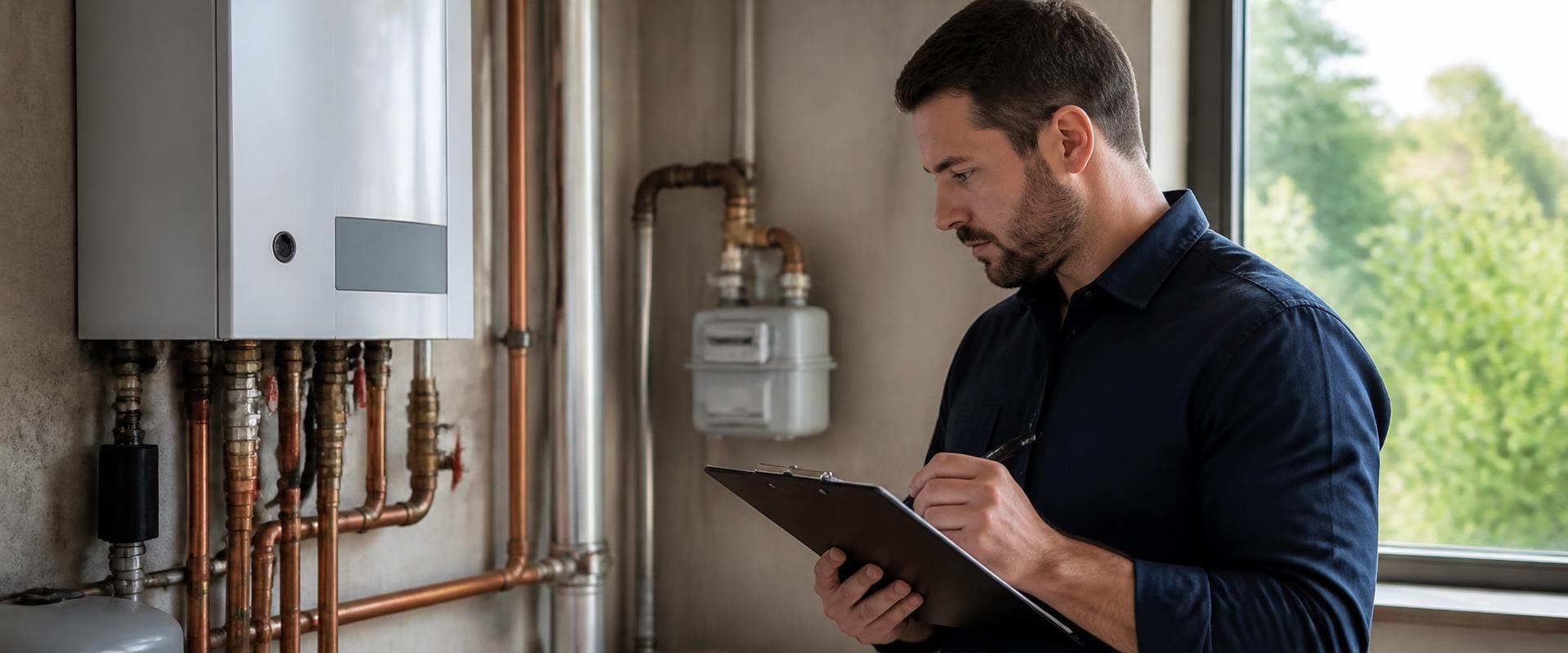
Welcome to the San Diego Property Management Guide, your trusted source for navigating the complexities of rental property management. One of the most crucial yet often overlooked aspects of renting out a property is understanding utilities and maintenance costsutilities and maintenance costs. These expenses can significantly impact both landlords and tenants, influencing rental pricing, budget planning, and overall satisfaction in a rental agreement. Whether you are a seasoned property owner or a first-time renter, grasping these costs will empower you to make informed decisions that benefit both parties. In this article, we will delve into the various components that contribute to utilities and maintenance costs, including what landlords typically cover, what tenants can expect to pay, and how these costs can fluctuate based on location and property type.
We aim to provide you with a comprehensive overview that not only clarifies these financial responsibilities but also offers tips on how to manage them effectively. By the end of this piece, you will have a clearer picture of what to anticipate regarding utilities and maintenance costs in your rental journey. So, let's explore how understanding these costs can lead to a more harmonious landlord-tenant relationship and better financial outcomes for everyone involved. Understanding utilities and maintenance costs in rental properties is crucial for both landlords and tenants, especially in a vibrant market like San Diego. The San Diego Property Management Guide serves as a valuable resource for those navigating these expenses, providing insights that clarify the various costs involved in maintaining a rental property.
Knowing what utilities are typically included and how they impact overall rental prices can help both parties make informed decisions. When it comes to utilities, several essential services are usually associated with rental properties. These include water, electricity, gas, internet, and trash collection. In San Diego, the average monthly costs for these utilities can vary significantly based on property size, location, and usage patterns. For instance, water bills might average around $50 to $80 per month for a typical apartment, while electricity costs can range from $100 to $200 depending on seasonal usage and energy efficiency of appliances.
Gas, which is often used for heating and cooking, may add another $30 to $60 to monthly expenses. High-speed internet is increasingly seen as a necessity, with costs ranging from $50 to $100 per month, depending on the provider and plan chosen. Finally, trash collection fees are often included in city services but can also appear as a separate charge in some rental agreements. These utility costs significantly impact both landlords and tenants. For landlords, understanding these expenses is vital when setting rental prices.
If utilities are included in the rent, landlords must ensure that the rent covers these costs adequately while remaining competitive in the market. For tenants, knowing what utilities are included—or excluded—helps them budget effectively. It is common practice for landlords to specify which utilities they cover in lease agreements, which can vary by property type and location. Legal responsibilities regarding utility payments are also an important consideration. In California, state regulations generally dictate that landlords must provide tenants with access to essential utilities.
However, the responsibility for paying these utilities may vary. Some landlords choose to include certain utilities in the rent, while others may require tenants to set up accounts in their names. It's crucial for both parties to understand their rights and obligations when it comes to utility payments to avoid potential disputes. In addition to utilities, maintenance costs represent another significant aspect of property management that landlords must address. These costs encompass routine upkeep—such as landscaping, plumbing checks, and HVAC servicing—as well as emergency repairs for issues like leaks or electrical failures.
Common maintenance issues that arise in rental properties can include appliance malfunctions, roof leaks, and plumbing problems. A proactive approach to maintenance not only preserves property value but also enhances tenant satisfaction. Property managers play a vital role in efficiently handling these costs. By establishing relationships with reliable contractors and service providers, property managers can ensure that maintenance issues are resolved quickly and effectively without breaking the bank. Additionally, implementing preventative maintenance schedules can help mitigate costly repairs down the line. Incorporating utilities and maintenance costs into lease agreements is essential for clarity and transparency between landlords and tenants.
Clear communication about who pays for what reduces confusion and sets clear expectations from the outset of the tenancy. Furthermore, these costs can vary based on property type or location; for example, a single-family home may have different utility arrangements compared to a multi-unit apartment complex. To effectively manage these expenses, landlords can adopt several strategies. For instance, offering incentives for tenants who pay their utility bills on time could encourage responsible behavior while minimizing late payments. Additionally, providing detailed breakdowns of estimated utility costs upfront can help tenants understand potential monthly expenses and avoid surprises. In conclusion, understanding utilities and maintenance costs is fundamental for anyone involved in rental properties in San Diego.
The San Diego Property Management Guide offers essential information that empowers both landlords and tenants to navigate these often-complex financial aspects confidently.
Maintenance Costs: What to Expect
Understanding maintenance costs is crucial for landlords managing rental properties in San Diego. These costs can vary widely depending on the property's age, condition, and specific needs. By referencing the San Diego Property Management Guide, landlords can gain insights into typical expenses and strategies for effective budgeting. Landlords should anticipate a variety of maintenance costs, which may include routine upkeep such as landscaping, pest control, and HVAC servicing. Additionally, more significant repairs like plumbing issues or roof replacements can arise unexpectedly.It is advisable for landlords to set aside a reserve fund—typically 1% to 3% of the property value annually—to cover these unforeseen expenses. When budgeting for maintenance costs, it’s essential to consider both regular and emergency repairs. Regular maintenance helps prevent larger issues down the line, while having funds available for emergencies ensures that landlords are not caught off guard. Utilizing resources like the San Diego Property Management Guide can help landlords establish a realistic budget and prepare for maintenance challenges effectively. In summary, while maintenance costs can be unpredictable, proactive planning and budgeting can mitigate financial stress, making it easier for landlords to manage their properties successfully in the San Diego market.
Legal Responsibilities of Landlords and Tenants
Understanding the legal responsibilities surrounding utilities and maintenance costs is crucial for both landlords and tenants in San Diego. California law outlines specific obligations that each party must uphold, particularly regarding the payment of utilities.For landlords, it is essential to clearly define in the lease agreement which utilities are included in the rent and which are the tenant's responsibility. This clarity helps avoid disputes later on. According to California Civil Code Section 1941.1, landlords are required to ensure that rental properties are habitable, which includes providing essential services such as water, heat, and electricity. If a utility service is included in the rent, the landlord must ensure that these services remain functional throughout the tenancy. Failure to do so can lead to legal consequences and tenant claims for damages. On the other hand, tenants also have responsibilities regarding utility payments.
If a utility is not included in the rent, tenants are obligated to pay for those services as outlined in their lease agreement. It's important for tenants to understand their rights regarding utilities; if they experience issues like lack of hot water or heating, they have the right to request repairs from their landlord. The San Diego Property Management Guide serves as a valuable resource for both landlords and tenants, providing detailed information on these legal obligations. It can help clarify responsibilities and ensure that both parties are aware of their rights regarding utility payments and maintenance costs. In summary, both landlords and tenants need to be familiar with their legal responsibilities concerning utilities. Clear communication and well-defined lease agreements can prevent misunderstandings and potential legal issues, ensuring a smoother rental experience for everyone involved.
Types of Utilities and Their Costs
Understanding the various types of utilities associated with rental properties is crucial for both landlords and tenants.In San Diego, utility costs can vary significantly based on factors such as property size, location, and usage. The San Diego Property Management Guide serves as an excellent resource for those looking to navigate these costs effectively. The primary utilities typically found in rental properties include water, electricity, gas, internet, and garbage collection. Each of these utilities comes with its own average cost structure that can affect the overall expense of renting a property.
Water and Sewer:
Water bills in San Diego can range from $50 to $100 per month for a standard two-bedroom apartment, depending on usage and conservation practices. Many landlords pass these costs onto tenants, so it’s essential to understand how water is billed.Electricity:
The cost of electricity can also vary widely.On average, residents in San Diego might expect to pay between $70 to $150 per month, depending on the size of the unit and usage habits. Factors such as air conditioning usage during the warmer months can significantly impact these bills.
Gas:
For properties using natural gas for heating or cooking, average monthly costs generally range from $30 to $60. This can be more pronounced in winter months when heating demand increases.Internet:
High-speed internet is a necessity for many renters. The average cost for internet services in San Diego typically ranges from $50 to $100 per month based on the provider and speed chosen.Garbage Collection:
Garbage collection fees can be less predictable, often included in the rent or charged separately.On average, tenants might see this cost around $20 to $40 monthly. When assessing rental properties, it is vital to consider these utility costs as part of your overall budget. Utilizing resources like the San Diego Property Management Guide can provide additional insights into managing these expenses efficiently.
Strategies for Effective Property Management
Managing utilities and maintenance costs effectively is essential for landlords in San Diego to ensure profitability and tenant satisfaction. The San Diego Property Management Guide offers valuable insights into the various aspects of property management, including practical strategies to handle these expenses efficiently. First and foremost, landlords should establish clear communication with their tenants regarding utilities. This includes outlining which utilities are included in the rent and which are the responsibility of the tenant.Clear expectations can prevent misunderstandings and disputes over bills. Another key strategy is to conduct regular maintenance checks. This proactive approach helps identify issues before they become significant problems, ultimately saving costs on emergency repairs. Landlords should create a maintenance schedule that includes routine inspections of plumbing, electrical systems, and HVAC units. Additionally, consider implementing energy-efficient solutions in your rental properties. Upgrading to energy-efficient appliances, installing LED lighting, and improving insulation can lead to reduced utility bills for both landlords and tenants.
These enhancements can also make the property more attractive to potential renters. When it comes to managing maintenance requests from tenants, utilizing a property management software can streamline communication and track requests efficiently. This technology allows landlords to keep organized records of maintenance history and tenant communication. Finally, there may come a time when hiring a property manager is beneficial. If managing utilities and maintenance costs becomes overwhelming or if you own multiple properties, professional property management can alleviate stress. A property manager can handle all aspects of maintenance, tenant communication, and compliance with local regulations, allowing landlords to focus on other priorities. In summary, effectively managing utilities and maintenance costs requires clear communication, proactive maintenance, energy-efficient upgrades, efficient tracking systems, and potentially professional assistance.
For more detailed strategies, refer to the San Diego Property Management Guide, an invaluable resource for landlords navigating these essential aspects of property management. In conclusion, understanding utilities and maintenance costs in rental properties is essential for both landlords and tenants, especially in a market as dynamic as San Diego. Throughout this article, we have explored the various types of utilities, the associated costs, and the legal responsibilities of both parties. Additionally, we discussed what to expect regarding maintenance costs and effective strategies for property management. Being informed about these expenses not only aids in budgeting but also fosters a better relationship between landlords and tenants. We encourage our readers to refer back to the San Diego Property Management Guide for more detailed information and resources that can further assist in navigating the complexities of property management in San Diego.
More Posts

- Local Rental Laws and Regulations
- Tenant Protection Laws by State/Region
- Eviction process variations by region
Understanding Eviction Processes Across Regions

- Landlord and Tenant Rights
- Tenant Rights Overview
- Understanding tenant rights
Understanding Tenant Rights in San Diego

- Understanding Property Management
- Overview of Property Management
- Benefits of hiring a property manager
Why Hiring a Property Manager is Essential for Landlords in San Diego

- Leasing Guidelines
- Creating a Lease Agreement
- Essential elements of a lease agreement